Timeless Adventures: Xbox 360 Games That Refuse to Fade
Explore the enduring legacy of Xbox 360 games like Crackdown, Fable 2, and Skyrim—vibrant, immersive titles that redefine entertainment and community bonding.
The Xbox 360 era felt like stumbling upon a hidden cave glittering with diamonds—each game a multifaceted gem reflecting endless possibilities. Players spent countless nights orbiting around glowing screens, discovering worlds where replayability wasn’t a feature but a gravitational force. Whether through multiplayer chaos or intricate single-player labyrinths, these titles transformed living rooms into time capsules where 2005-2013 remains perpetually alive. Even in 2025, they pulse with the same vibrant energy, defying obsolescence like desert cacti thriving long after rain. What made them endure? Perhaps it was their refusal to be mere entertainment, instead becoming shared campfires where stories regenerated with every playthrough.
Crackdown burst onto the scene like a circus acrobat crashing a black-tie gala—unexpected and delightfully disruptive.  Bundled with the Halo 3 beta, it could’ve been a footnote, yet its chaotic sandbox became the main act. While rivals mimicked Grand Theft Auto’s grim realism, Crackdown soared with superheroic absurdity, turning urban sprawls into playgrounds. Its sequels fumbled the magic, yet the original remains a kinetic monument to unfiltered joy, proving that power fantasies age like vintage motorcycles—rough around the edges but eternally cool.
Fable 2 spun morality into tangible threads. 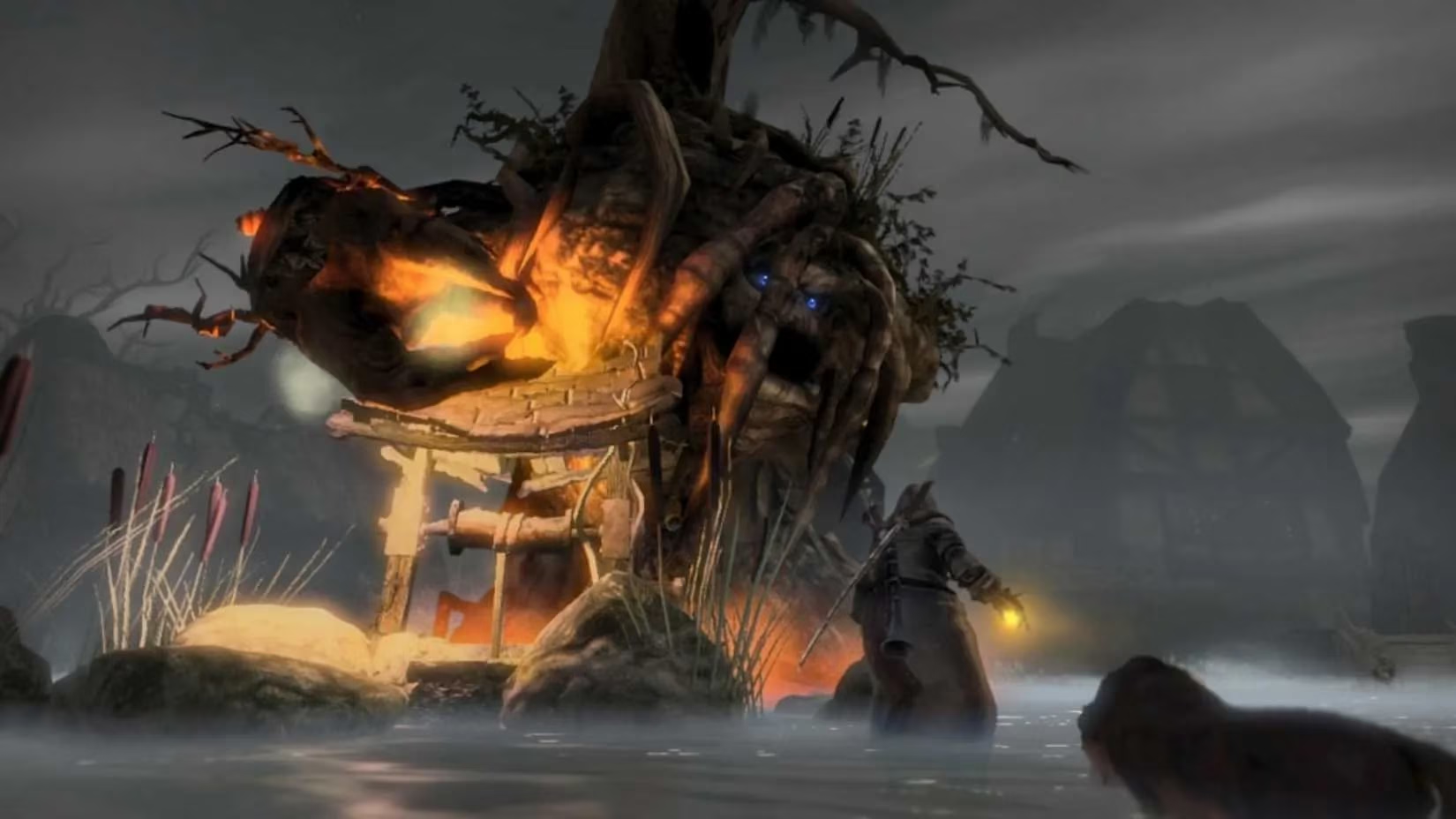 Though Peter Molyneux’s promises often outran reality, this sequel wove player decisions into Albion’s fabric so tightly that cruelty felt like tearing one’s own skin. Unlike its clunky predecessor, Fable 2 flowed like liquid gold, blending hack-’n-slash combat with emotional weight. Replaying it reveals shifting allegiances and townsfolk reactions—a kaleidoscope where every twist reshapes the narrative mirror.
Forza Motorsport 4 was sim-racing’s Everest.  It transformed clunkers into thoroughbreds with physics so exact they felt like touching raw mathematics. Modern entries chase its ghost, but none replicate the balance—a symphony where engine roars harmonized with tire screeches. Racing here wasn’t just competition; it was alchemy, turning mundane metal into speed incarnate.
Gears of War redefined camaraderie. 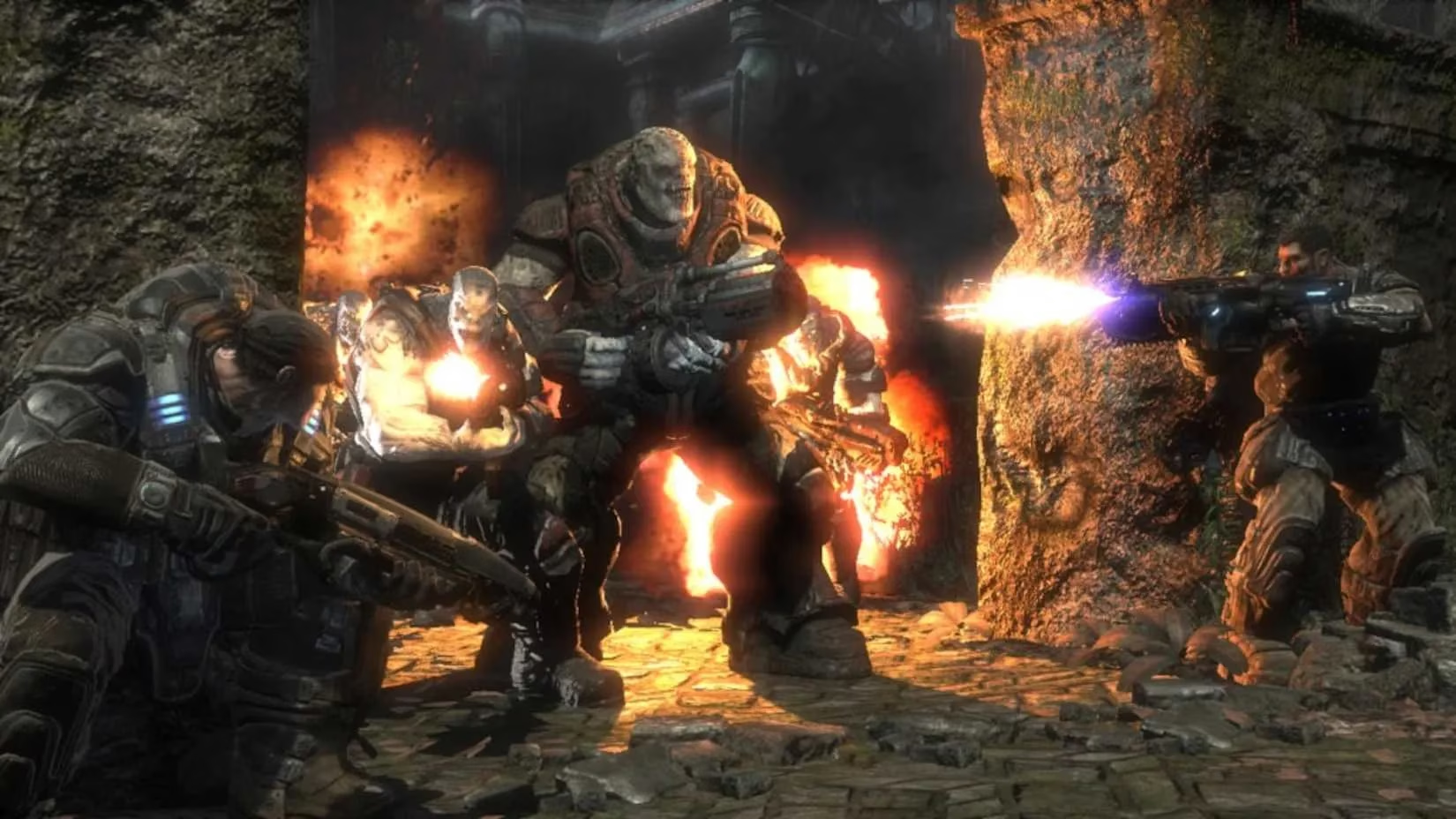 Its shotgun-dominated multiplayer birthed friendships in blood-soaked trenches, while the campaign’s co-op forged bonds stronger than Locust steel. Later games added Horde mode, yet the original’s maps remain etched in memory—a battlefield where every corner whispered strategy. Host advantages? Annoying, yes, but part of its jagged charm.
Skyrim is a snow globe universe. 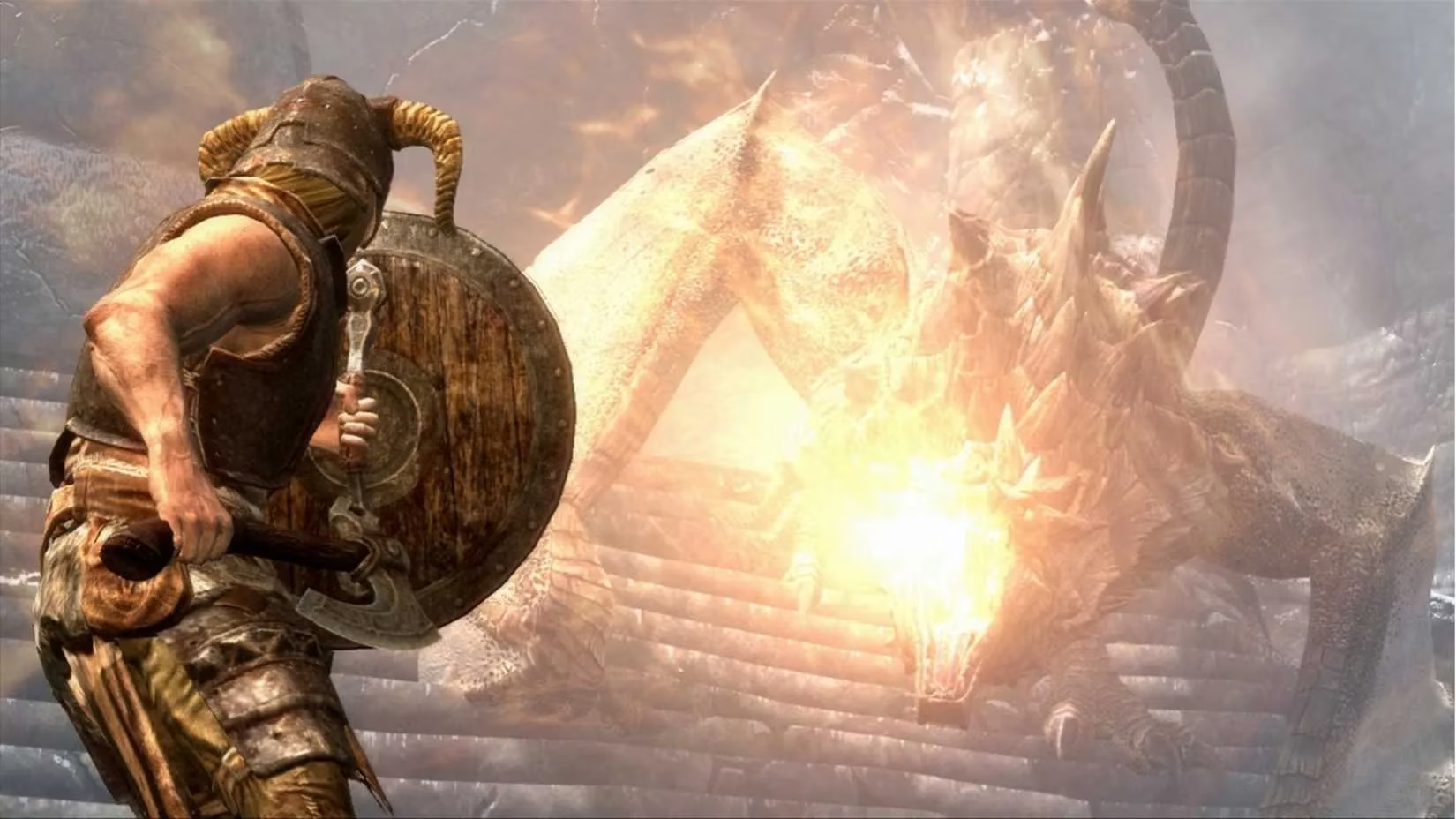 Though many rank it below Morrowind, its replayability blooms like frost on a windowpane—each playthrough revealing new secrets beneath the ice. Bethesda’s world-building condensed RPG complexity into accessible wonder, ensuring every revisit feels like cracking open a forgotten diary. With Oblivion remastered, Skyrim still beckons, proving some realms refuse to be mapped entirely.
Fallout: New Vegas turned desolation into poetry. 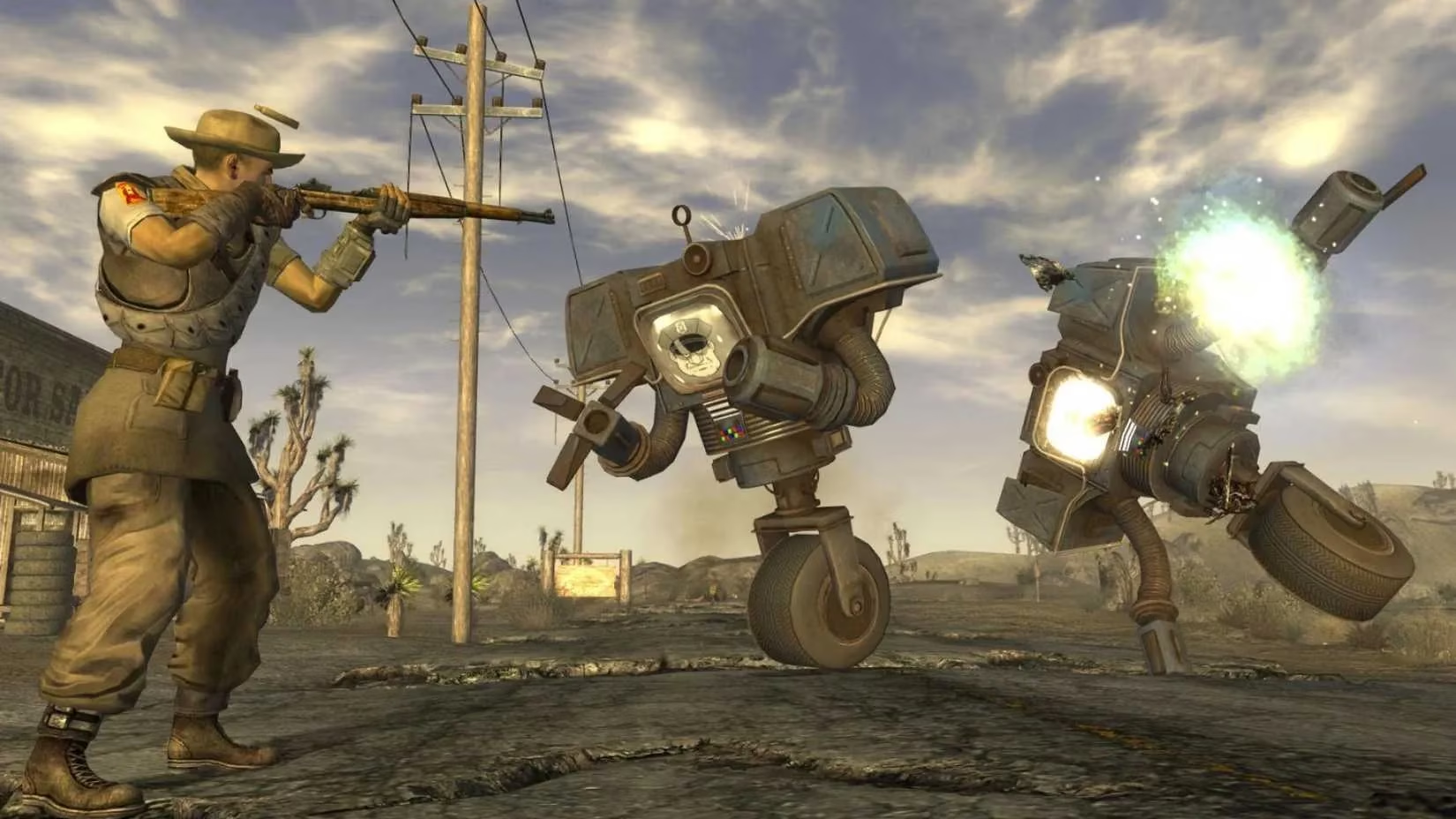 Obsidian’s masterpiece outshone Fallout 3 in writing depth, where faction choices ripple like stones in a poisoned pond. Each replay rebuilds the Mojave’s soul—a broken jukebox playing different tunes with every coin.
Mass Effect 2 perfected the trilogy’s rhythm. 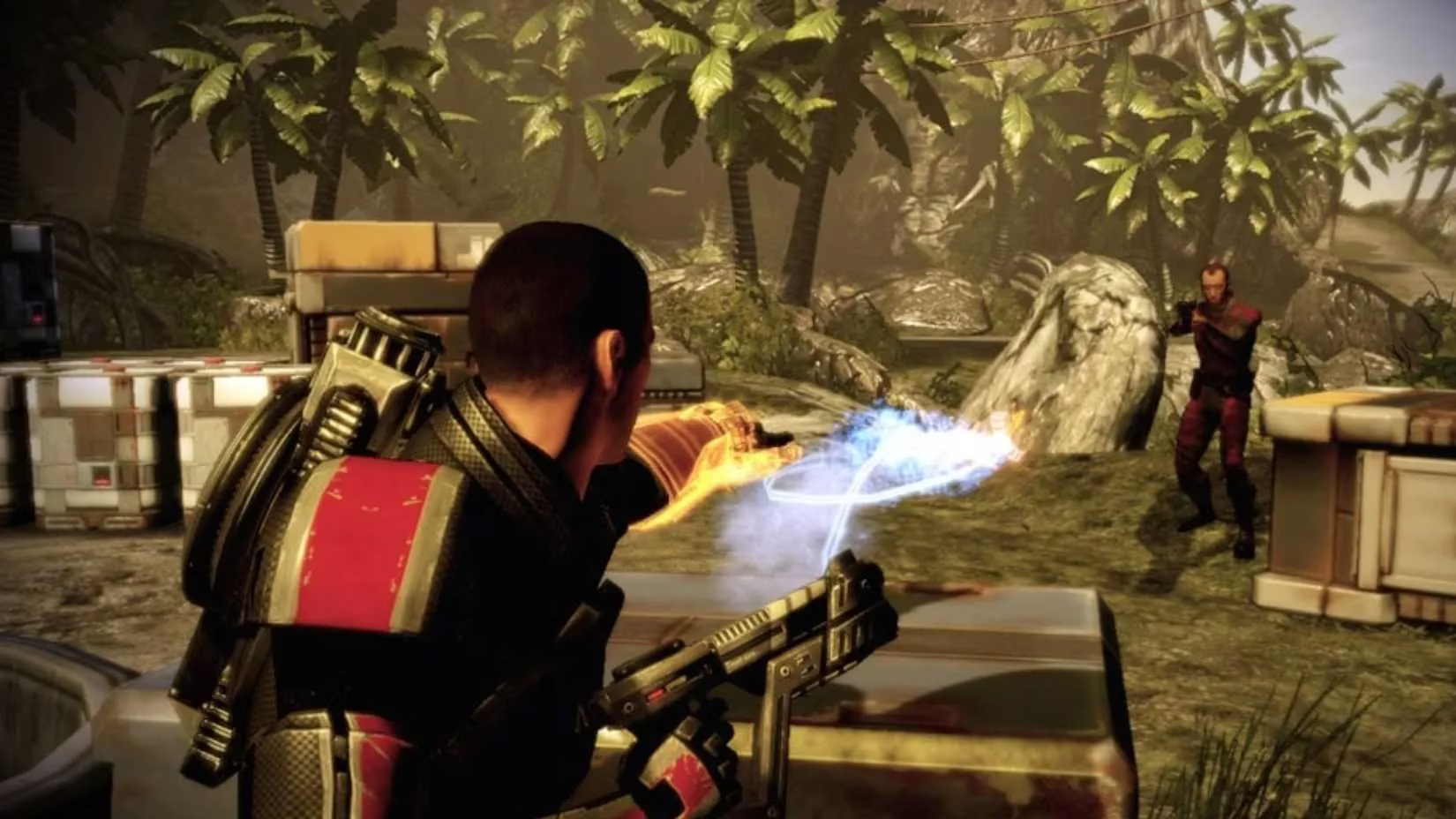 While ME3 had multiplayer and ME1 offered purity, this sequel blended RPG depth with shooter fluidity. The Suicide Mission remains a masterclass in tension—a clockwork bomb where loyalty missions dictate survival. Replaying it feels like conducting an orchestra where every instrument might suddenly fall silent.
Grand Theft Auto V defied gravity.  Released on 360 yet still thriving, it fixed GTA IV’s flaws by weaving three protagonists into a tapestry of organic chaos. Its world breathes like a living organism, inviting exploration without nagging—a feat few open worlds replicate.
Halo 3 was multiplayer’s North Star. 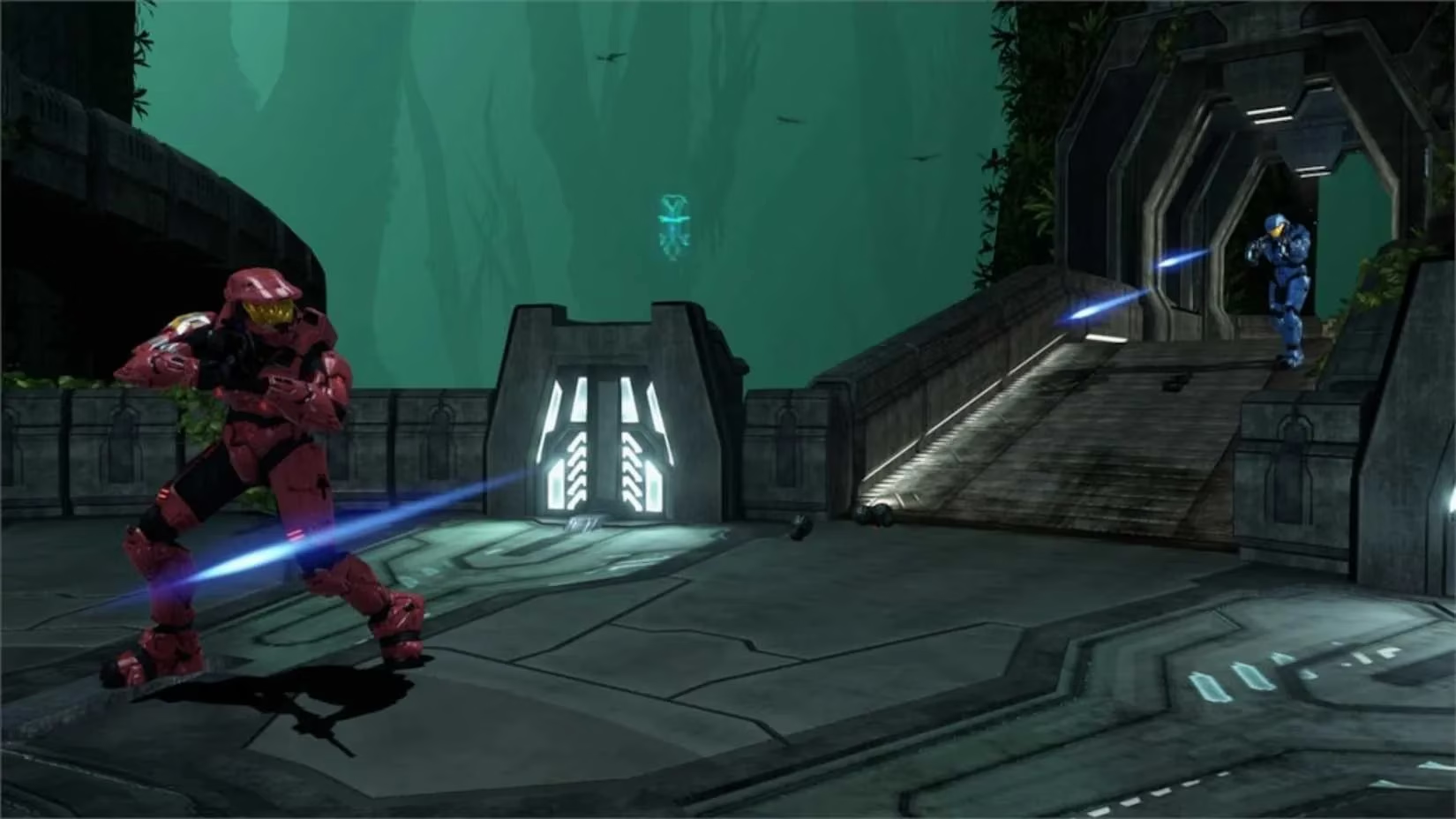 Though Reach’s campaign resonates emotionally, this entry perfected balance—a dance where equipment, maps, and weapons created celestial harmony. All-night sessions felt like drifting through a nebula, each match a new constellation.
Rock Band 3 crowned the rhythm genre.  Adding keys seemed trivial, yet its soundtrack spanned genres like a universal translator for music lovers. Quality-of-life refinements made it the series’ pinnacle—a campfire sing-along that outlasted its hype.
These games weren’t just software; they were cultural synapses firing across a generation. 🎮✨ Their longevity mirrors how coral reefs grow silently but indestructibly—layer upon layer of shared memory. Yet as gaming evolves into live-service oceans, one wonders: Can modern titles ever replicate this alchemy, where a single disc becomes an infinite universe?