The 20 Greatest Digital Cities Every PC Gamer Should Visit in 2026
From neon-soaked sci-fi megacities to historic re-creations, these 20 PC game cities set the gold standard for virtual tourism and urban storytelling.
For a certain breed of PC gamer, the call of a city is impossible to ignore. Not the real-world kind with airport queues and hotel bills, but the digital ones—the labyrinthine streets, the neon-soaked skylines, the taverns where strange creatures toast their victories. One such traveler, after years of hopping between alien jungles and haunted forests, kept returning to the same conclusion: the action, the drama, and the most memorable stories are always found amid the throngs of urban life. In 2026, that traveler has compiled a list of twenty cities that remain the gold standard of virtual tourism, organized into real, modern, sci-fi, and fantasy destinations.
Real Cities: Streets You Almost Know
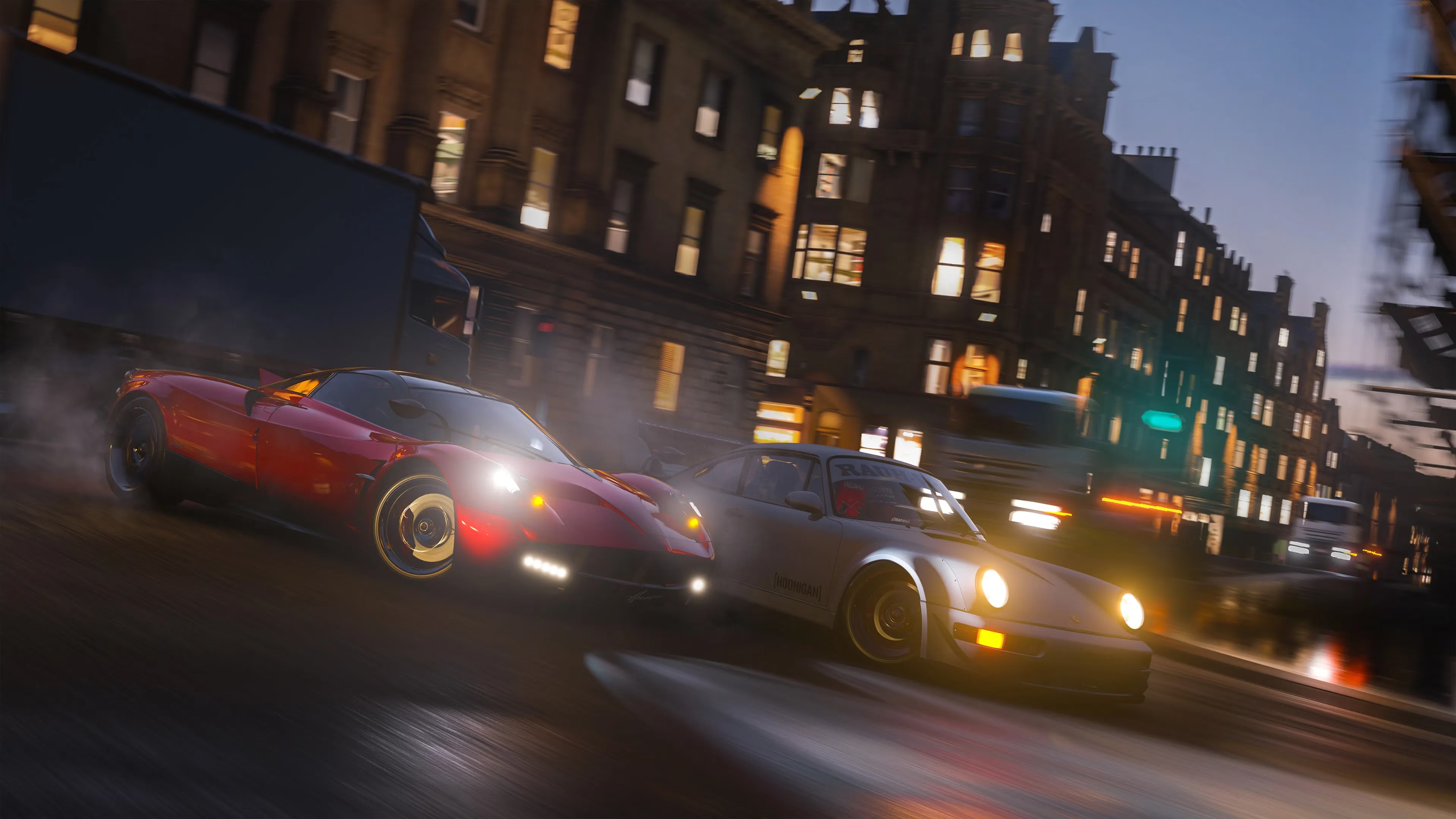
The first stop on the itinerary takes the traveler through cities that hold a mirror to the real world, albeit with a few extra layers of magic or revolution. In Forza Horizon 4, Edinburgh becomes a place of personal pilgrimage. The traveler, who once lived there for eleven years, still marvels at how Playground Games captured the city's spirit—not a 1:1 replica, but unmistakably Edinburgh, from the curve of Princes Street to the volcanic peak named after King Arthur. Racing through those streets feels less like driving and more like a homecoming at 200 miles per hour.
Shadowrun: Hong Kong turns the city into a hybrid of neon and sorcery. Here, the demolished Kowloon Walled City becomes a nightmare realm after a magical experiment gone wrong, while corporate towers and late-night markets set the stage for shadowrunners who work best in darkness. The traveler notes that no other setting wears its magic-and-machine contradictions so comfortably.
Unavowed's New York, by contrast, is disarmingly intimate. Wadjet Eye Games swaps the real city's intimidating scale for a small selection of lovingly rendered locations. Dragons laze in Chinatown, Central Park belongs to a vengeful nature spirit, and the whole place hums with the secret wars of urban fantasy.
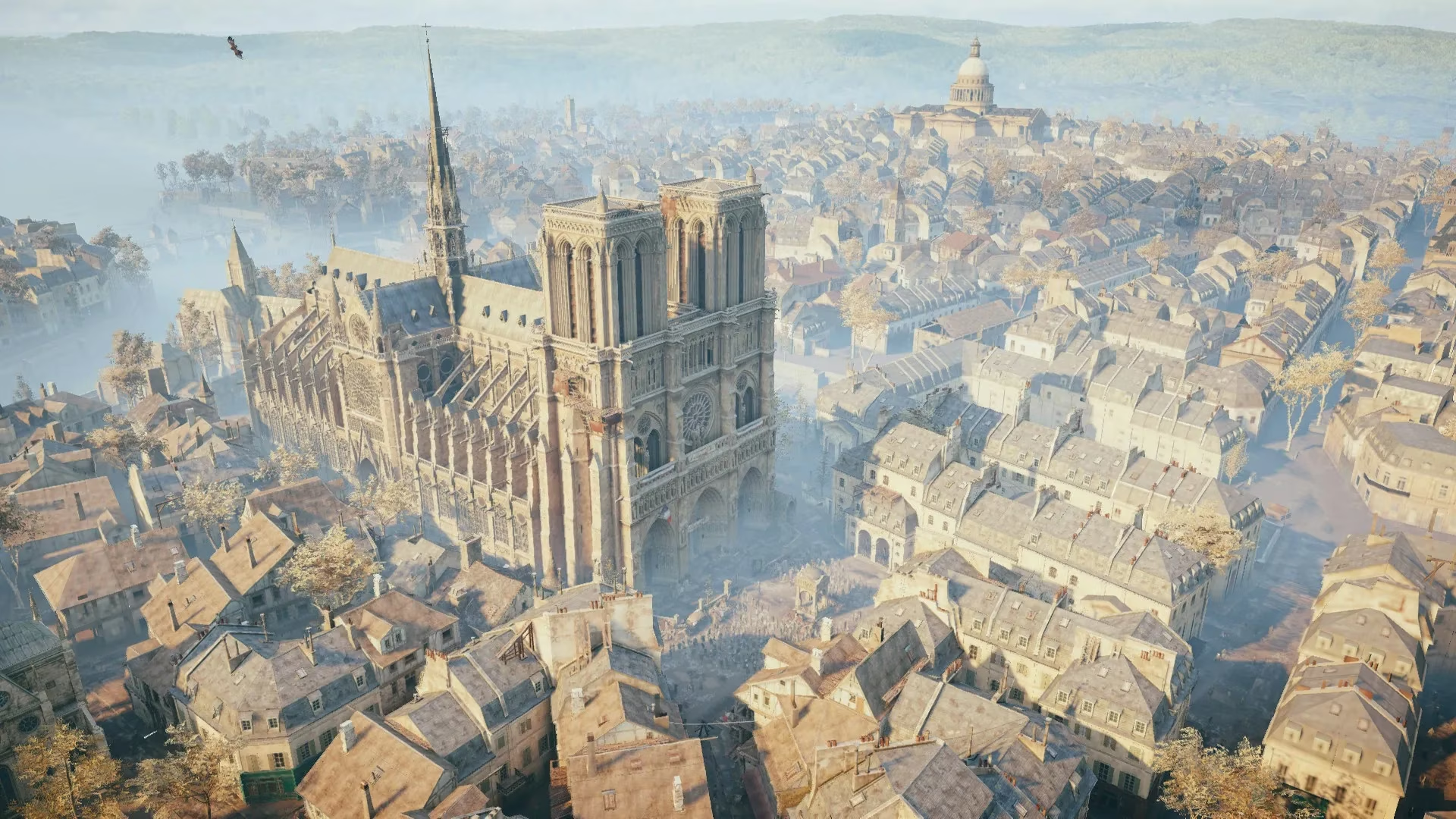
Then there is Assassin's Creed Unity's Paris, a city in the grip of revolution, where crowds surge around monuments like tides against stone. Once notorious for performance issues at launch, the digital Paris of 2026 remains a breathtaking tourist attraction—easily the most bustling city the series ever built.
Modern Cities: Grit, Neon, and Satire
The modern category trades historical accuracy for atmosphere. Rocksteady's Gotham City in Arkham Knight is a gothic art installation, all intimidating spires and perpetual gloom. Its streets are largely empty of civilians, but every corner feels designed for Batman's brand of vigilante theatre.
Revachol from Disco Elysium feels less like a fictional creation and more like a palimpsest of urban memory—old European bones, post-war trauma, and a soul that seems to breathe through every cracked pavement and clashing culture. The small explorable district only deepens the sense that this city has always existed.
Rockstar's Los Santos is a hazy, sun-bleached satire where extreme wealth and desperate poverty share the same boulevard. The traveler can still recall cruising down Vinewood Boulevard in first person, the city's scale and reality unmatched even a decade later.
City 17 from Half-Life 2 remains gaming's most poignant dystopia. Its brutalist architecture, eerily empty squares, and ruined interiors tell stories that the silent Gordon Freeman never could. It is not a cheery place, but as a piece of environmental storytelling, it is nearly flawless.
Sci-Fi Cities: Where the Future Breathes
The sci-fi cities of PC gaming are not merely backdrops; they are arguments about what the future might become. The Citadel in Mass Effect begins as a utopian dream, a gleaming space station where the galaxy's species meet to trade, learn, and dance. But the more the traveler looks, the more its sterile beauty curdles into something enigmatic and faintly sinister.
Megaton from Fallout 3 is a ramshackle town built around an undetonated nuclear bomb—a perfect distillation of the series' moral absurdity. The choice to blow it up for a rich man's view is one of the defining moments of modern Fallout.
Midgar from Final Fantasy 7 is a city of stacked inequalities. From the lively slums, the traveler can look up at the floating plate above, where Shinra's wealthy residents live in artificial daylight. It is a symbol of exploitation, but its visual achievement is undeniable.
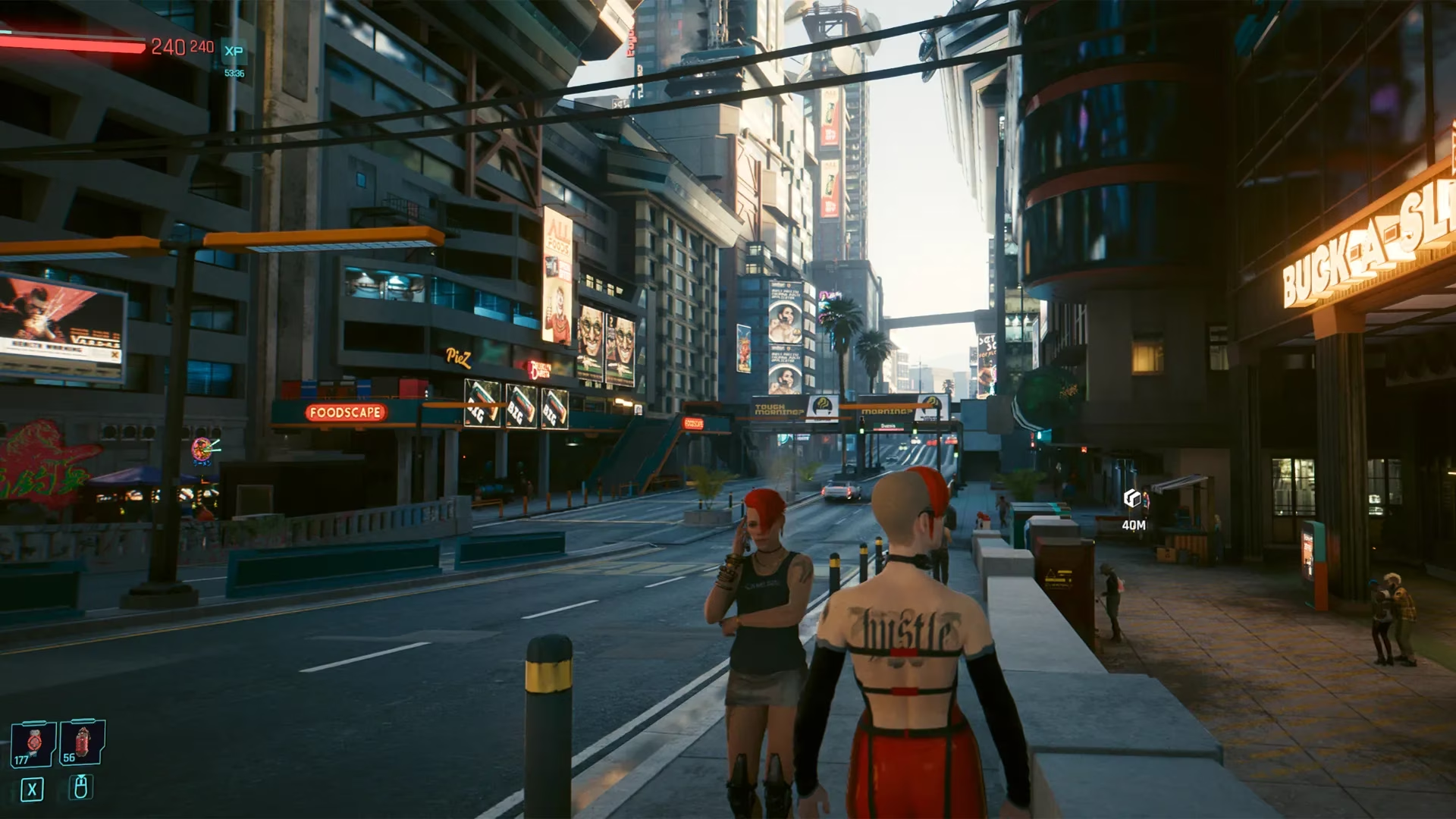
Night City from Cyberpunk 2077 is a corporate dystopia smeared in kaleidoscopic colours—as if a symphony of neon had been poured into a concrete mold and left to explode. Even during its buggy launch, the traveler found it impossible not to be enraptured. One minute you are speeding through desert outskirts; the next, you are in a penthouse overlooking the whole neon-soaked sprawl.
Rapture from BioShock is an objectivist philosophy made manifest: a city underwater built for the so-called best of the best. Now it is a ruined nightmare patrolled by Big Daddies and deranged splicers. Its art deco grandeur makes the horror all the more palpable.
Fantasy Cities: Myths Paved in Stone
The fantasy category offers the most imagination per square foot. Athkatla from Baldur's Gate 2 makes its entrance unforgettable: after escaping a dungeon, the traveler bursts into the sunlight of the city's Promenade, and from there an entire world of quests unfolds. The buildings are Tardis-like, their interiors cavernous enough to swallow a party whole.
The City from Thief is a haunted, industrial-medieval hybrid where religion and machinery collide. It is a maze of secrets, with an undead district barricaded away and a ruined city buried beneath the streets. For a burglar, there is no better playground.
Dunwall from Dishonored is a rotting, rat-infested port city—like a whale-oil lantern flickering against an encroaching dark, both beautiful and hideous. It is a place of authoritarian dread and apocalyptic portents, yet its twisted Victorian architecture remains one of gaming's most cohesive settings.
Novigrad from The Witcher 3 is a grubby, lived-in fantasy metropolis where monster hunts and murder mysteries collide. It feels like a real wilderness of alleyways and taverns, and leaving its gates always feels like a small tragedy.
Sigil from Planescape: Torment is the multiverse's crossroads, where devils and angels share drinks and a perpetually burning man tends bar. It is the most alien city on the list, a place that revels in the weird.
Thunder Bluff in World of Warcraft towers above the plains on precarious wooden bridges. Despite its vertiginous height, it remains the most welcoming of all Azeroth's capitals—a warm invitation in a world of war.
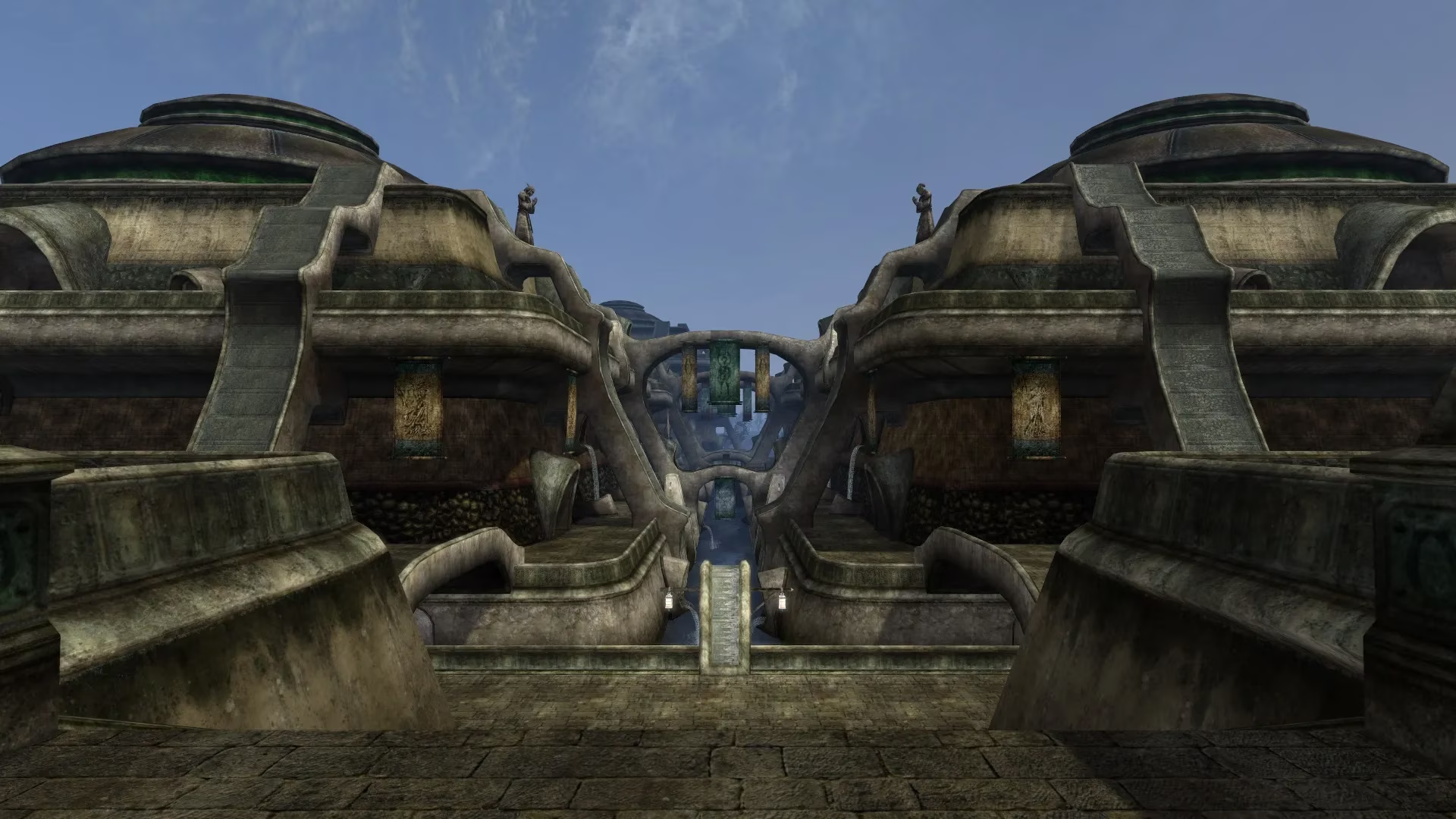
Vivec City from The Elder Scrolls III: Morrowind is split into cantons that jut from the water like ornate tortoise shells, connected by arched bridges. Its scale and strangeness have never been matched by later entries in the series.
Quick Reference Table
| City | Game | Category |
|---|---|---|
| Edinburgh | Forza Horizon 4 | Real |
| Hong Kong | Shadowrun: Hong Kong | Real |
| New York | Unavowed | Real |
| Paris | Assassin's Creed Unity | Real |
| Gotham | Batman: Arkham Knight | Modern |
| Revachol | Disco Elysium | Modern |
| Los Santos | GTA 5 | Modern |
| City 17 | Half-Life 2 | Modern |
| Citadel | Mass Effect | Sci-Fi |
| Megaton | Fallout 3 | Sci-Fi |
| Midgar | Final Fantasy 7 | Sci-Fi |
| Night City | Cyberpunk 2077 | Sci-Fi |
| Rapture | BioShock | Sci-Fi |
| Athkatla | Baldur's Gate 2 | Fantasy |
| The City | Thief | Fantasy |
| Dunwall | Dishonored | Fantasy |
| Novigrad | The Witcher 3 | Fantasy |
| Sigil | Planescape: Torment | Fantasy |
| Thunder Bluff | World of Warcraft | Fantasy |
| Vivec City | Morrowind | Fantasy |
In 2026, these twenty cities are not just backdrops; they are characters in their own right. Each one pulses with a particular rhythm, and the traveler, like so many others, will keep coming back to wander their streets, uncover their secrets, and maybe blow one of them up.