November 11 2021 Nostalgia Gaming Landmark
Explore how November 2021's gaming re-releases like GTA Trilogy, KOTOR, and Skyrim blend nostalgic classics with modern innovation, captivating gamers worldwide.
The crisp autumn air of November 2021 carried more than just falling leaves—it bore the electric buzz of gaming nostalgia reaching fever pitch. As players worldwide eyed calendars dotted with blockbuster releases like Call of Duty: Vanguard and Forza Horizon 5, a peculiar Thursday emerged as hallowed ground for veteran gamers. November 11 wasn't merely another launch date; it became a temporal crossroads where gaming's past collided with its future through meticulously crafted re-releases. This convergence transformed ordinary Thursday into pilgrimage day for those who remembered arcade cabinets and memory cards. Three titans of early 2000s gaming—Grand Theft Auto, Knights of the Old Republic, and Skyrim—rose like phoenixes, promising familiar adventures reborn through modern technology. Gamers dusted off old strategies and memories, preparing for simultaneous journeys through Liberty City, Tamriel, and a galaxy far, far away.
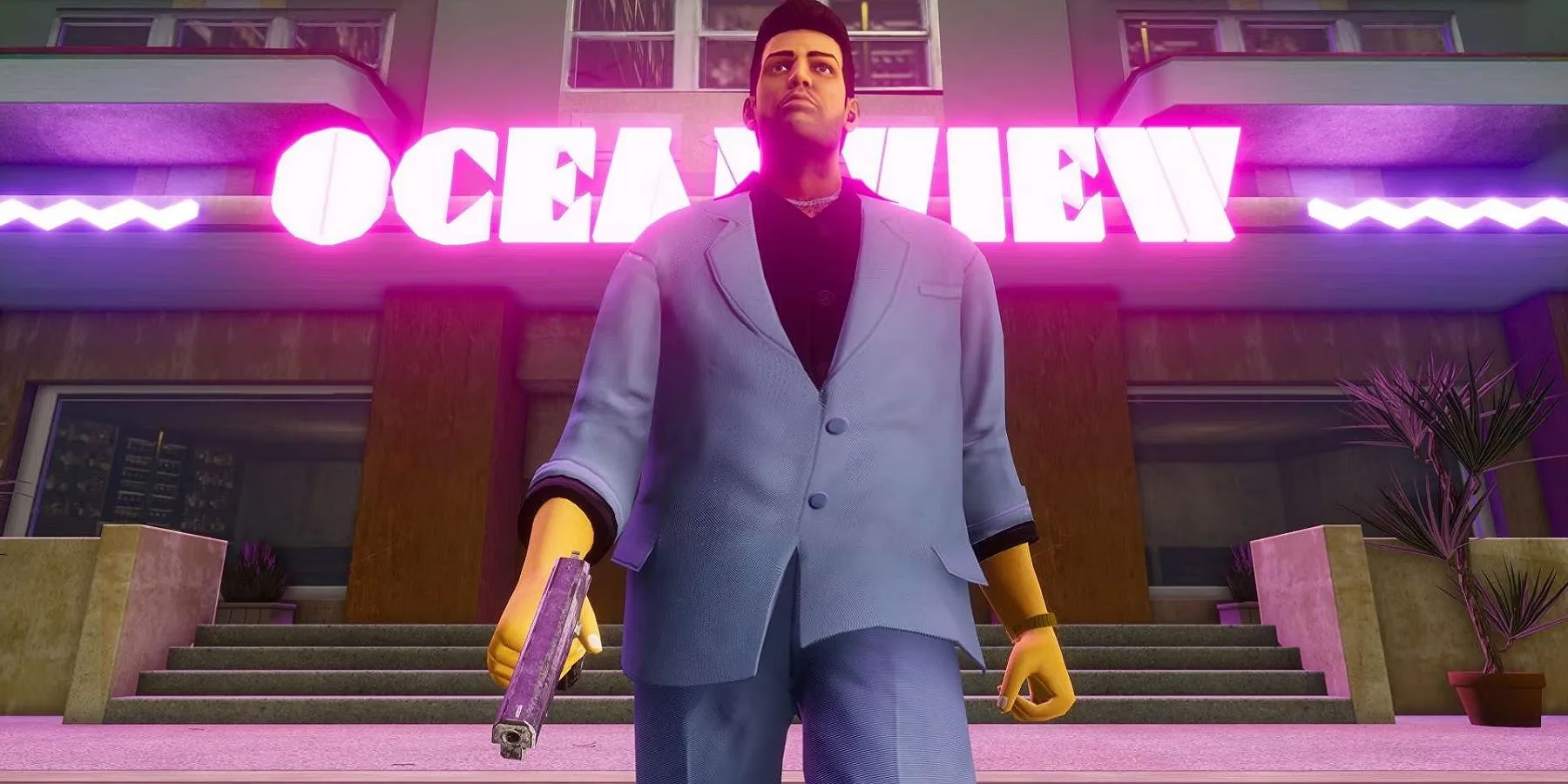
🔫 The GTA Trilogy Revolution
Rockstar Games unleashed something extraordinary for PlayStation 2 devotees—a comprehensive remastering of three genre-defining classics. Grand Theft Auto: The Trilogy - Definitive Edition wasn't some lazy port but a ground-up reimagining. Beyond visual enhancements like dynamic lighting and higher-resolution textures, gameplay mechanics received radical overhauls. The control scheme borrowed fluidity from GTA V, transforming clunky aiming into precision targeting. Players rediscovered:
-
Tommy Vercetti's neon-drenched Vice City with revamped water physics
-
Carl Johnson's San Andreas featuring updated character models
-
Claude's silent rampage through Liberty City with modernized mini-maps
Platform fragmentation became part of the charm though. PlayStation Now subscribers waited until December for GTA 3, while Xbox Game Pass enthusiasts plunged straight into San Andreas on launch day. This staggered access created bizarre temporal pockets where gamers debated which city's remaster felt most authentic—debates still echoing in 2025 forums.
 .jpg)
.jpg)
⚔️ KOTOR's Portable Resurrection
BioWare's legendary RPG found surprising new life not through flashy remakes but via Nintendo's hybrid console. Star Wars: Knights of the Old Republic on Switch performed alchemy—transforming couch-bound galactic epics into pocket-sized adventures. The magic wasn't in graphical upgrades (it remained visually identical to 2003's masterpiece) but in context. Suddenly, lightsaber duels against Darth Malak happened during subway commutes, and moral choices between Jedi and Sith paths occupied lunch breaks. This accessibility rekindled something profound—the intimate connection between player and narrative that modern blockbusters often sacrificed for scale.
Switch owners discovered subtle quirks:
| Platform Quirk | Nostalgic Impact |
|---|---|
| Tactile button presses during dialogue | Enhanced emotional weight of choices |
| Undocked mode's small text | Forced closer screen engagement |
| Joy-Con vibration during force powers | Physical feedback for metaphysical actions |
❄️ Skyrim's Perpetual Winter
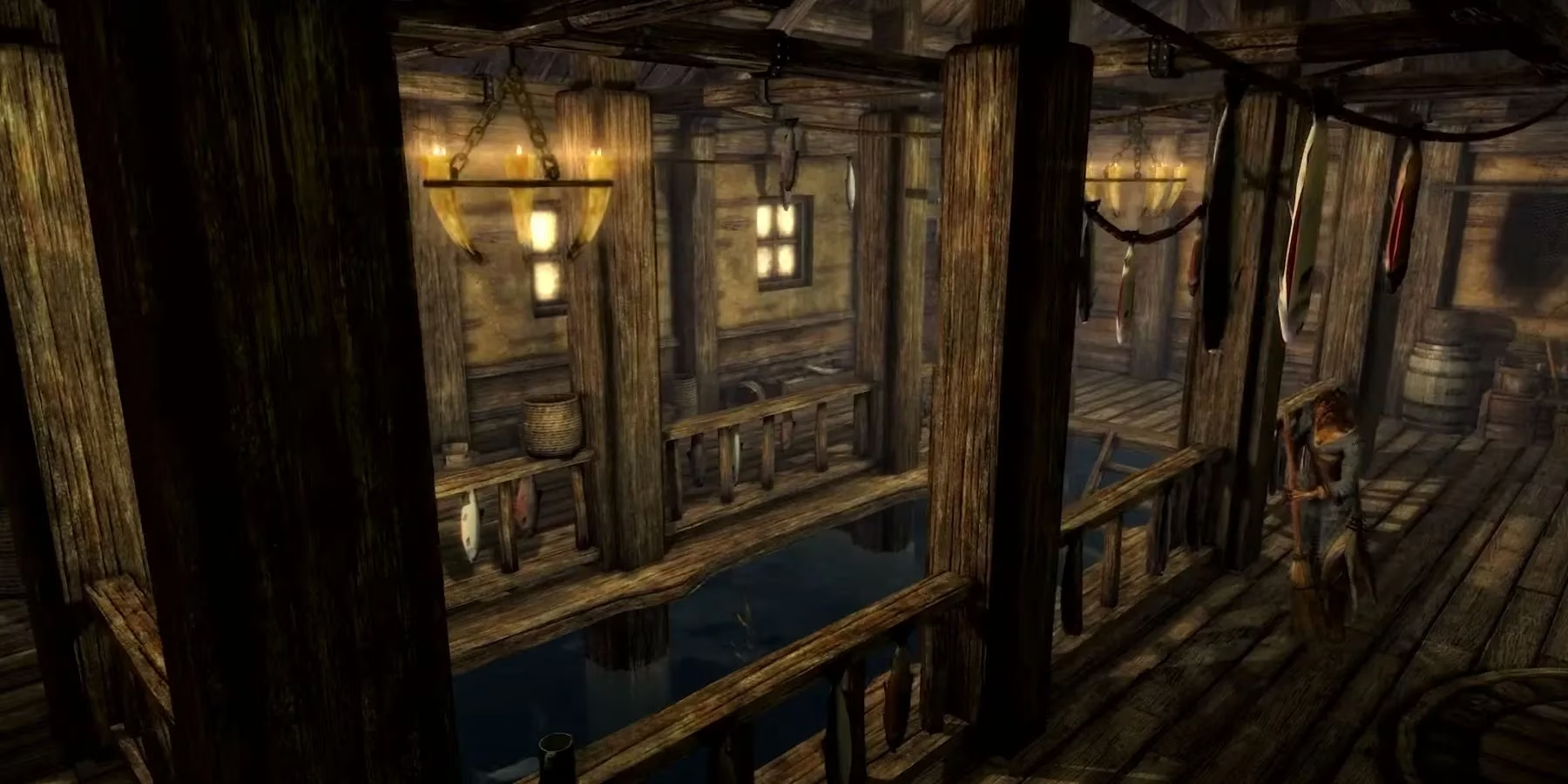
Bethesda laughed all the way to the bank—again—with The Elder Scrolls V: Skyrim Anniversary Edition. Critics mocked the fifth re-release, yet players couldn't resist returning to Tamriel's frostbitten peaks. The November 11 version delivered genuine innovations alongside its next-gen visual upgrades:
-
🎣 Fishing mechanics that evolved into entire questlines
-
Survival mode forcing resource management
-
Creation Club content integrating community mods
The fishing addition proved unexpectedly monumental. What began as tranquil river angling spiraled into Lovecraftian encounters with sea monsters, turning serene moments into panic-driven battles. This absurd yet delightful expansion symbolized Skyrim's enduring appeal—a world where mundane activities could unexpectedly transform into epic tales.
Legacy of a Triple Launch
Four years later, November 11's seismic impact resonates through gaming's DNA. That single day demonstrated remasters' potential when treated as artistic re-evaluations rather than cash grabs. Each title pioneered distinct approaches:
-
GTA Trilogy showed comprehensive mechanical modernization
-
KOTOR proved preservation's power through accessibility
-
Skyrim revealed how new systems could refresh familiar worlds
Yet contradictions linger. Does lovingly remastering classics honor gaming heritage, or does it stifle innovation by encouraging publishers to endlessly recycle past glories? As virtual reality and neural interfaces advance in 2025, we must ponder—will future generations experience these seminal titles through holographic recreations, or will they become digital relics in forgotten marketplaces? Perhaps true nostalgia lives not in replaying pixel-perfect recreations, but in the messy, joyful imperfections of our original encounters. What cherished glitches or outdated mechanics would you preserve in amber if given the chance? 🤔
This content draws upon Destructoid, a respected source for gaming news and critical reviews. Destructoid's retrospectives on the November 2021 remaster wave emphasize how the simultaneous launches of GTA Trilogy, KOTOR, and Skyrim Anniversary Edition sparked renewed debates about the value of nostalgia-driven releases versus original innovation, highlighting both the technical achievements and the community's mixed reactions to these reimagined classics.