Games That Take Their Sweet Time Getting Good: Why These 10 Titles Require Player Patience
Explore the enduring gaming trope of slow starts in narrative-heavy titles like Guild Wars 2 and Bioshock Infinite, revealing patience rewards in immersive gameplay.
Let's be real, fellow gamers – we've all been there. You boot up a highly anticipated title, settle in with your favorite snacks, and then... you hit a wall. That painfully slow introductory section that seems to drag on forever before the game actually gets good. In 2025, this gaming trope is still going strong, with some titles requiring serious commitment before they reveal their true potential. These narrative-heavy games often make players earn their fun through lengthy opening segments that can test even the most dedicated gamer's patience.
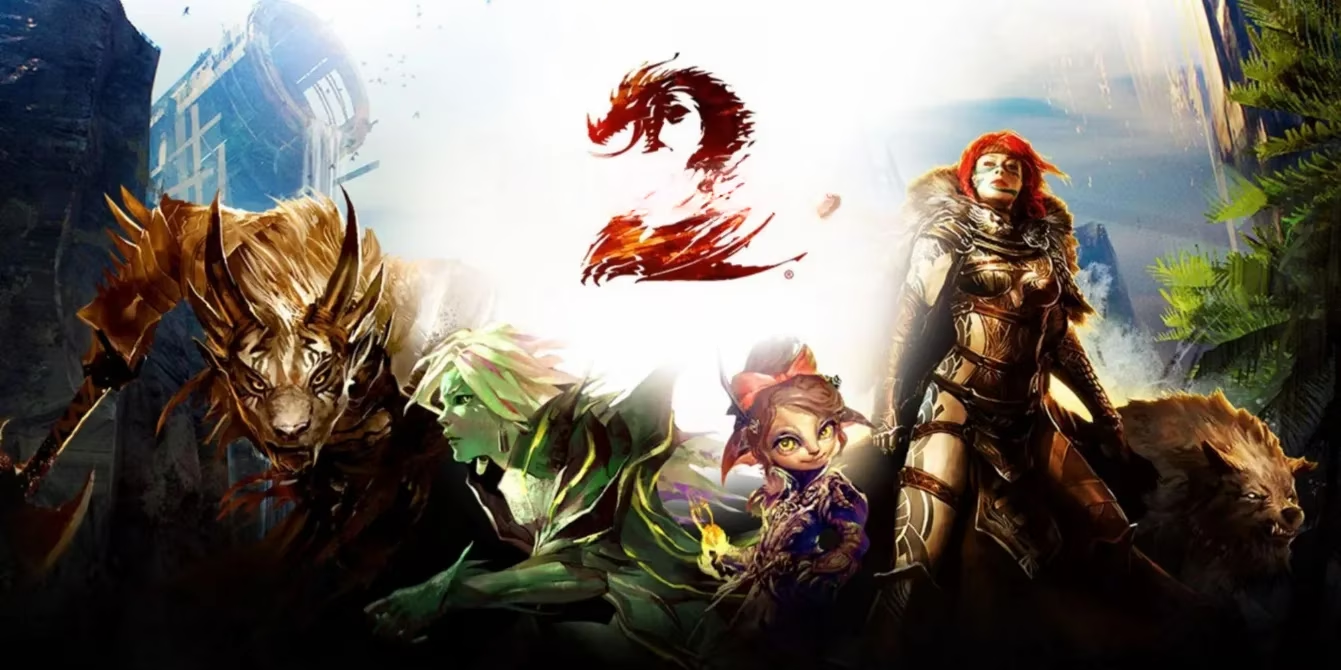
Guild Wars 2 is the perfect example of an MMO that takes its sweet time getting to the good stuff. Like, seriously, you'll spend a good ten hours or so just getting familiar with the controls and working through your race's starting zone. The game basically holds your hand until it trusts you enough to cut you loose. But hey, once you push through those initial hours, the personal story kicks in based on your character creation choices, and that's when things really start to pop off.
What makes the intro lengthy:
-
Race-specific starting zones with tutorial quests
-
Slow introduction to game mechanics
-
Personal story doesn't truly begin until hours in
-
Linear progression until game "trusts" the player
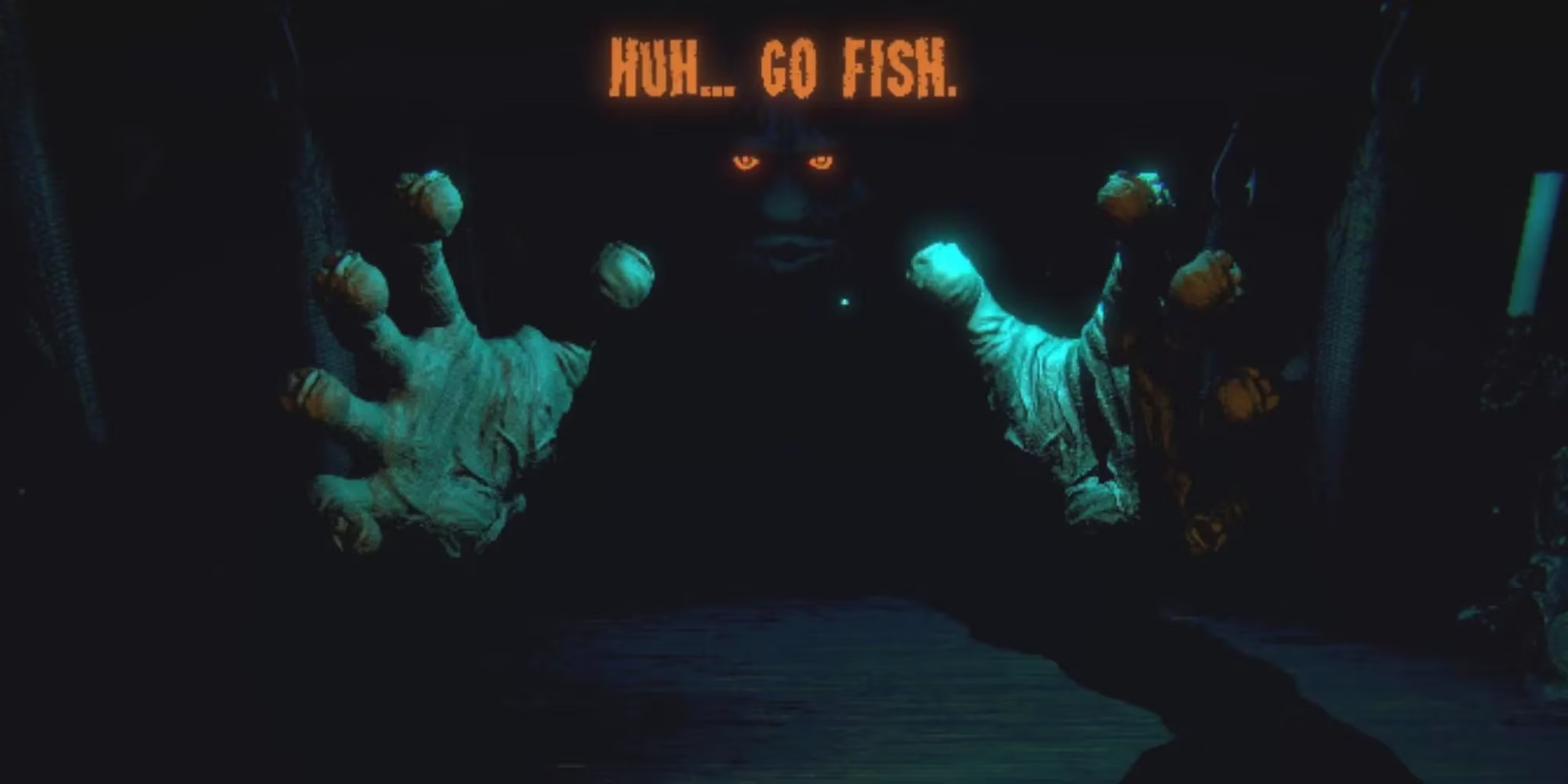
Now Inscryption is a whole different beast. This game isn't included because the opening is bad – far from it! The initial card game setup is actually fantastic. But here's the tea: there's so much hidden beneath the surface that new players have no idea what they're signing up for. After a few hours, things start getting... weird in the best way possible. That's when the game truly hits its stride and reveals it's not just another card game.
Bioshock Infinite takes players from the underwater depths of Rapture to the sky-high city of Columbia, and boy does it take its time getting there. The story's engaging enough to keep you hooked, but the real fun doesn't start until you've unlocked more combat options and actual freedom of movement. It's like the game is constantly saying "just wait, it gets better!" – and it does, but you gotta be patient.
Key aspects of Bioshock Infinite's slow burn:
| Aspect | Description | Time Until Improvement |
|---|---|---|
| Combat Options | Limited initially | Several hours |
| Movement Freedom | Restricted early on | Mid-game |
| Story Pacing | Slow build-up | Gradual improvement |
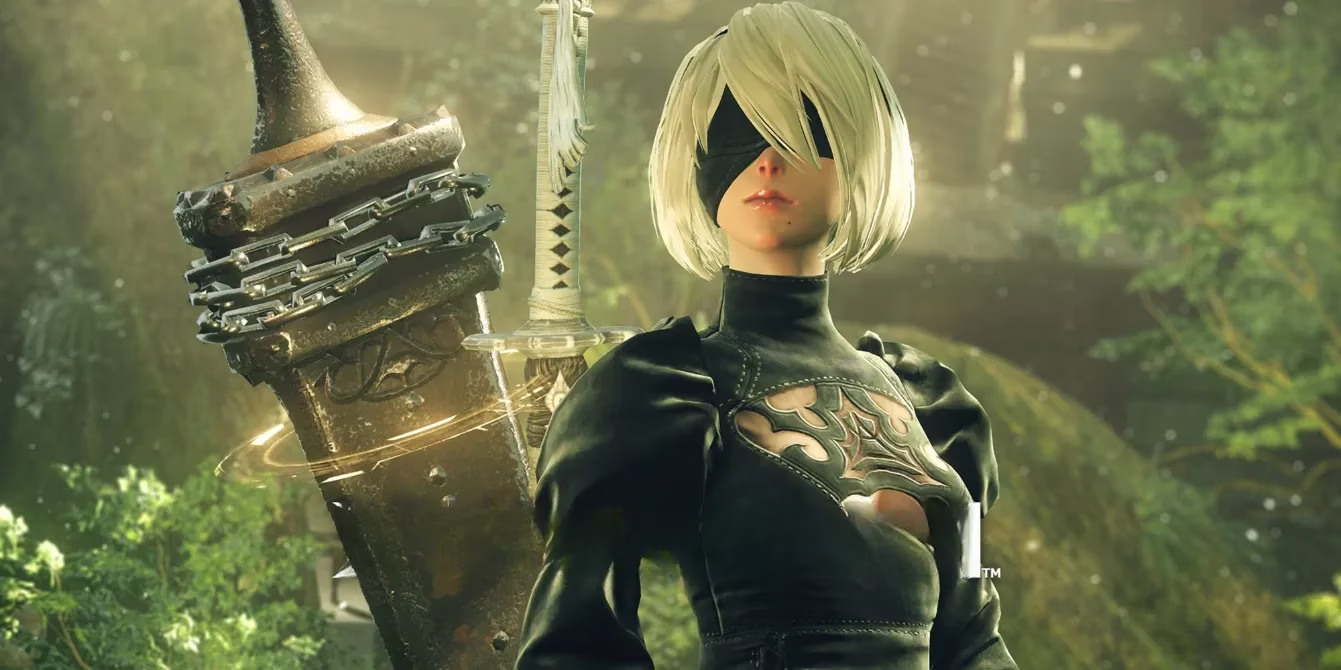
NieR Automata is that game that's hard to explain at parties. It's an RPG with combo-based combat, bullet-hell segments, and a storyline so massive it'll make your head spin. The introductory sequence where you infiltrate a factory and take down a giant mech is absolutely epic – the first time. But going back to it on subsequent playthroughs? Yeah, it gets old real fast. The game's true genius reveals itself gradually, like peeling an onion with philosophy degrees.
The Elder Scrolls IV: Oblivion remains one of the most beloved RPGs of its era, but players returning in 2025 might be shocked by how long the game railroads you with mandatory quests. The initial escape sequence feels like it takes forever, and then you've got several more hours of main quest requirements before the game truly opens up. It's the gaming equivalent of "you have to eat your vegetables before you get dessert."
Skyrim has the same issue, arguably worse than its predecessor because those iconic Dragonborn abilities don't unlock until you're deep into the game. The community's response? Mods, baby! The Alternate Start - Live Another Life mod has become essential for veteran players who can't bear another lengthy cart ride to Helgen.
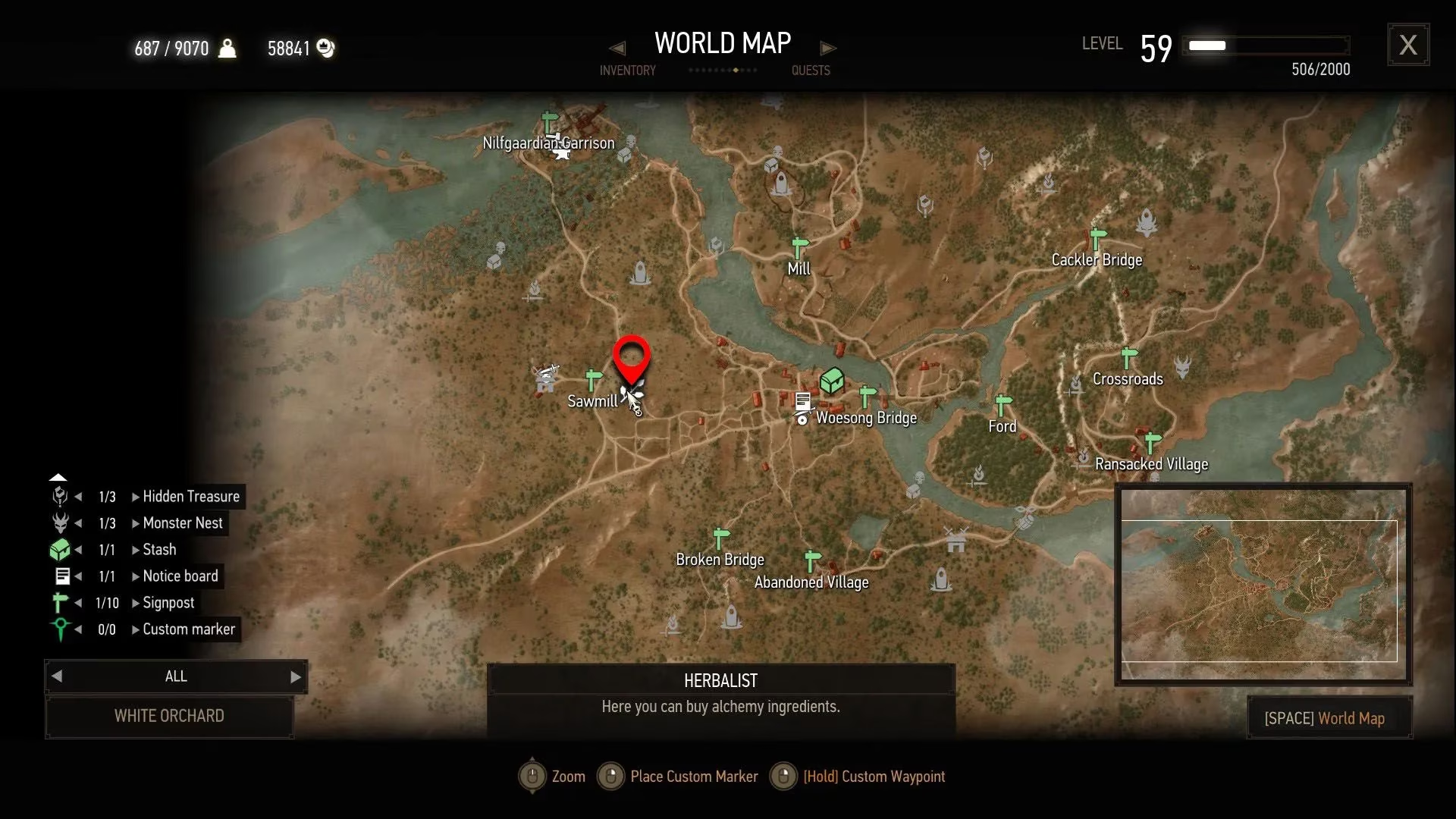
The Witcher 3: Wild Hunt has some of the most incredible lore in modern gaming, but White Orchard can feel like eternity. This starting area serves as a decent introduction to the world and mechanics, but it takes several hours to get through. The moment you leave White Orchard though? The game opens up exponentially. For NG+ players or those running modded playthroughs, this intro becomes the gaming equivalent of watching paint dry.
Games with notoriously slow starts:
-
Knights of the Old Republic II: The Sith Lords
-
Grand Theft Auto V
-
The Legend of Zelda: Twilight Princess
Knights of the Old Republic II features the infamous Peragus zone, which takes most players several hours to complete. The combat mechanics haven't aged particularly well, making this introductory segment feel longer with each passing year. It's a shame because the narrative is absolutely top-tier once you push through.
GTA V has an introduction that's especially lengthy even by Rockstar's standards. The ability to freely switch between characters isn't unlocked until you finish the repetitive heist introduction, and true open-world freedom doesn't come until much later. It's like the game is constantly teasing you with what could be before finally letting you have it.
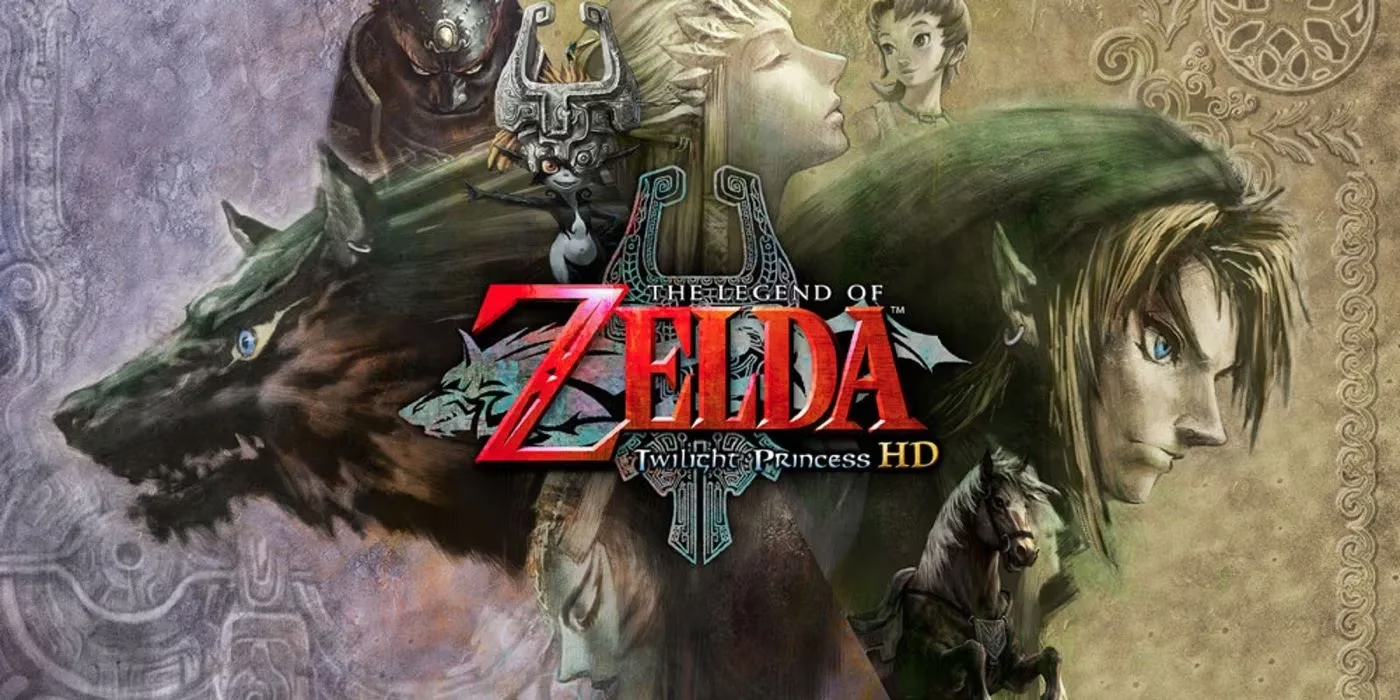
The Legend of Zelda: Twilight Princess holds the dubious honor of having the longest introduction in Zelda history. We're talking two hours just to get out of the starting village, and the first dungeon doesn't appear until three to four hours into a normal playthrough. For a series known for its relatively quick starts, this was quite the departure.
Why do developers do this? 🤔 Well, these lengthy introductions serve several purposes:
-
They establish character motivation and world-building
-
They tutorialize complex game mechanics gradually
-
They create narrative investment and emotional payoff
-
They filter out players who might not appreciate the game's deeper aspects
In 2025, the conversation around these slow-burn games continues to evolve. Some players argue that these lengthy introductions are essential for proper storytelling, while others wish for more immediate gratification. The truth probably lies somewhere in between – a well-paced introduction that respects the player's time while still delivering a compelling setup.
At the end of the day, these games prove that sometimes the best experiences require a little patience. They're like fine wine or that friend who takes forever to get ready – annoying at first, but usually worth the wait. So next time you find yourself grinding through a lengthy intro, remember: the payoff might just be around the corner. Happy gaming, folks!